

Tree Care Tips for Office Parks, Retail Centers, and Commercial Properties
- September 24, 2026
- Posted by: Dex Thompson
- Category: Blogging
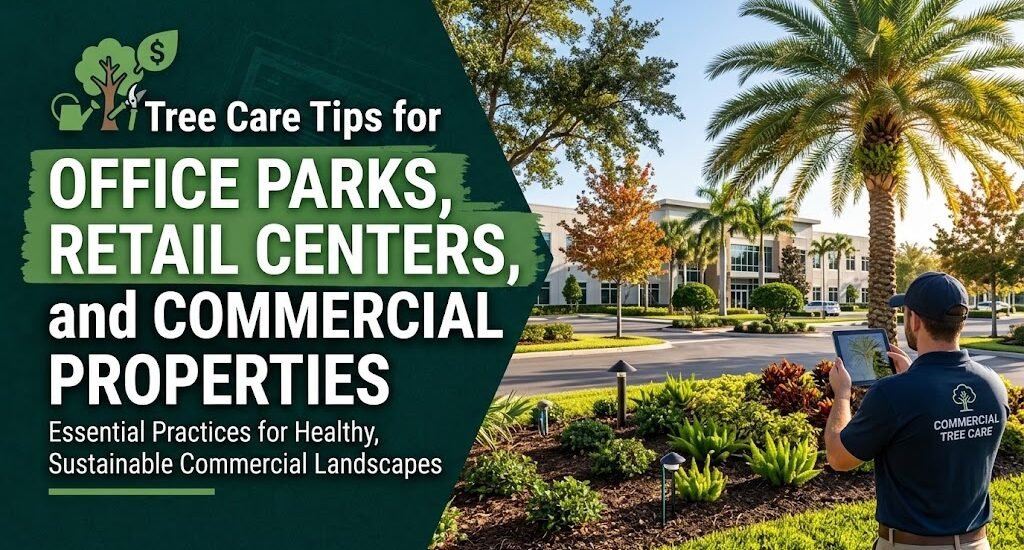
Trees play an important role in the appearance, comfort, and safety of commercial properties. Office parks, retail centers, shopping areas, and other business properties often have landscaped grounds that depend on healthy trees to create an attractive environment. However, commercial properties also experience heavy foot traffic, vehicle activity, and regular use, making proper tree care especially important.
A neglected tree can become a safety concern, create property damage, or negatively affect the appearance of a business. With a consistent maintenance plan, property owners and managers can keep trees healthy while reducing potential risks.
Why Tree Care Matters for Commercial Properties
Trees provide shade, improve curb appeal, and contribute to a welcoming atmosphere. In office parks, mature trees can make outdoor spaces more comfortable for employees and visitors. Retail centers can also benefit from attractive landscaping that makes the property look clean and inviting.
However, trees require ongoing attention. Dead branches, damaged limbs, weak growth, and diseased trees can become hazards if they are not identified and addressed. Regular professional inspections can help property managers recognize potential problems before they become expensive emergencies.
Tree care for commercial properties should include regular inspections, trimming, debris removal, and risk management. Well-maintained trees create a better first impression while helping protect customers, employees, tenants, and nearby structures.
Schedule Regular Tree Inspections
One of the most important steps in commercial tree care is scheduling routine inspections. Trees can develop problems that are difficult to notice from the ground, including internal decay, structural weaknesses, pest infestations, and damaged branches.
A professional tree inspection can identify:
- Dead or hanging branches
- Cracks in major limbs or trunks
- Signs of disease
- Pest activity
- Root problems
- Leaning or unstable trees
- Weak branch attachments
- Storm-related damage
Regular inspections are particularly important for properties with large mature trees located near parking lots, sidewalks, entrances, and buildings.
Keep Trees Properly Trimmed
Tree trimming helps maintain healthy growth and reduce safety concerns. Commercial properties should have trees trimmed according to their species, condition, location, and growth patterns.
Remove Hazardous Branches
Dead, broken, or weakened branches can fall unexpectedly, especially during strong winds or storms. Removing these branches can reduce the possibility of injuries or property damage.
Maintain Clearance
Branches should not interfere with buildings, signs, lighting fixtures, utility lines, walkways, or parking areas. Proper trimming helps maintain clear access for pedestrians and vehicles while keeping important property features visible.
Avoid Excessive Trimming
Over-trimming can stress trees and negatively affect their long-term health. Professional tree care providers understand how much growth should be removed and where cuts should be made.
Watch for Tree Diseases and Pests
Diseases and insects can gradually weaken commercial landscaping. Early detection gives property managers a better opportunity to address the problem before it spreads to other trees.
Property managers should watch for unusual leaf discoloration, premature leaf loss, dead sections, holes in bark, fungal growth, and changes in normal growth. A professional can help determine whether the problem is caused by disease, insects, environmental stress, or another issue.
Prompt attention can also help prevent the need for extensive tree removal later.
Manage Trees Around Parking Areas
Parking lots require special attention because trees are positioned close to vehicles and pedestrians. Falling branches can damage cars, while roots can interfere with pavement, curbs, and drainage systems.
Regular trimming can help keep branches away from vehicles and lighting fixtures. Property managers should also monitor exposed roots and surface damage that could create tripping hazards.
When planting new trees, commercial property owners should consider mature tree size, root growth, proximity to pavement, and available planting space.
Keep Walkways and Entrances Clear
Trees around entrances and pedestrian paths should be maintained carefully. Low branches can interfere with people walking through the property, while fallen leaves, branches, and other debris can make walkways slippery or difficult to navigate.
Routine cleanup helps maintain a professional appearance and supports safer access for employees, customers, tenants, and visitors.
Prepare Trees for Severe Weather
Storm preparation is an important part of commercial tree maintenance. Strong winds, heavy rain, and lightning can cause branches to break or entire trees to fall.
Before severe weather arrives, property managers should have vulnerable trees inspected. Removing dead branches and addressing structural weaknesses may help reduce storm-related risks.
After a storm, damaged trees should be evaluated before employees or customers return to affected areas. Broken branches and unstable trees can remain dangerous even after the weather has cleared.
Pay Attention to Tree Roots
Healthy roots provide stability and help trees absorb water and nutrients. However, tree roots can sometimes cause problems around commercial properties.
Roots may lift sidewalks, affect curbs, interfere with drainage, or create uneven walking surfaces. Cutting roots without professional guidance can weaken a tree and make it unstable.
Instead of simply removing problematic roots, a tree professional can evaluate the situation and recommend an appropriate solution.
Create a Commercial Tree Maintenance Plan
A consistent maintenance schedule makes commercial tree care easier to manage. Rather than waiting until a tree becomes hazardous, property managers can plan inspections, trimming, fertilization, cleanup, and other services throughout the year.
Consider Property-Specific Needs
Every commercial property is different. An office park may require extensive canopy management, while a retail center may need more frequent trimming around parking areas and storefronts.
A customized maintenance plan should consider:
- Tree species and age
- Property size
- Foot and vehicle traffic
- Tree locations
- Seasonal weather
- Existing tree health
- Nearby buildings and utilities
- Local regulations
Keeping records of inspections and completed services can also help property managers track tree conditions over time.
Hire Professional Tree Care Services
Commercial tree maintenance often requires specialized equipment, experience, and safety procedures. Large trees located near buildings, parking areas, and electrical infrastructure can present significant challenges.
Professional tree care specialists can inspect trees, perform appropriate pruning, remove hazardous trees, clean up debris, and identify potential problems. Hiring experienced professionals can also help property owners avoid unsafe DIY work that could result in injury or unnecessary tree damage.
FAQs About Commercial Tree Care
How often should commercial properties have trees inspected?
The appropriate schedule depends on the property’s trees, location, age, and condition. Routine inspections can help identify developing problems before they become serious.
When is the best time to trim commercial trees?
The ideal timing depends on the tree species, local climate, and reason for trimming. A professional can recommend an appropriate schedule based on the property’s specific trees.
Can tree roots damage commercial sidewalks?
Yes. Certain trees can develop roots that lift or disturb sidewalks, curbs, and pavement. Professional assessment can help determine the safest way to address root-related issues.
What should property managers do after a major storm?
Keep people away from damaged trees and fallen branches, then contact a professional tree care provider for an inspection. Do not approach unstable trees or attempt to remove large damaged limbs yourself.
Why is professional tree care important for businesses?
Professional tree care helps maintain tree health, improve property appearance, and identify potential hazards. It can also reduce the likelihood of damage involving customers, employees, vehicles, buildings, and other property features.
Conclusion
Trees are valuable features of office parks, retail centers, and commercial properties, but they require consistent care to remain healthy and safe. Regular inspections, proper trimming, storm preparation, root monitoring, and debris removal can help protect both the trees and the people who use the property.
A proactive commercial tree maintenance plan allows property managers to address concerns early instead of waiting for an emergency. By working with qualified tree care professionals, businesses can maintain attractive landscapes while supporting a safer and more welcoming commercial environment.