

Rossi Paola Vargas Daly on Why Community-Based Experience Matters in Legal Practice
- August 13, 2026
- Posted by: Dex Thompson
- Category: business
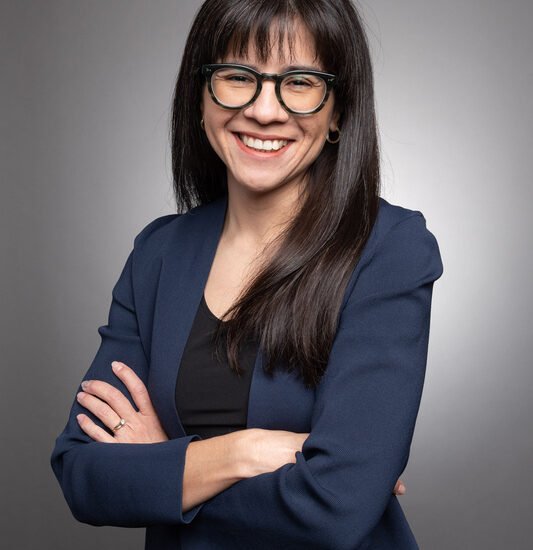
Legal knowledge is developed through formal education, but legal practice also requires an understanding of how people encounter institutions outside the courtroom. Rossi Paola Vargas Daly, an attorney with a Master of Science in Public Health from Johns Hopkins Bloomberg School of Public Health and a Juris Doctor from Loyola University Chicago School of Law, has worked across public health research, medical-legal practice, judicial service, criminal prosecution, and community assistance. That professional record shows why legal analysis can benefit from direct exposure to the practical barriers people face when seeking healthcare, financial aid, public benefits, or legal relief.
What Legal Training Leaves Out
Law school develops knowledge of doctrine, procedure, research, and legal writing. Formal training cannot fully reproduce the experience of assisting people who are uninsured, undocumented, unfamiliar with institutional procedures, or unable to communicate easily with healthcare and administrative systems. Community contact can give legal professionals a clearer understanding of how documentation, language, and access affect whether a person can use the protections available on paper.
The community-service record began before law school. Paola Vargas Daly’s community-access work includes informal language interpretation for people in hospitals and clinics, beginning in childhood and continuing into adulthood. The record also includes assistance to undocumented, uninsured, and non-English-speaking community members applying for financial aid after injuries.
These activities were not part of a formal legal position. They nevertheless involved gathering information, explaining institutional requirements, and helping people communicate circumstances that might otherwise remain incomplete or misunderstood. That experience provides useful context for legal work involving vulnerable clients and complex administrative systems.
Rossi Paola Vargas Daly and the Health Justice Project
During law school, Paola Vargas Daly practiced under Illinois Supreme Court student licensure through the Health Justice Project at Loyola University Chicago School of Law. The program is a medical-legal partnership serving clients whose legal needs are directly connected to health circumstances. The clinic created a setting in which legal analysis had to account for medical documentation, access to benefits, immigration concerns, and the practical ability of clients to participate in a case.
The clinic record included representation of an asylum seeker who had survived death threats and sexual assault in Central America. Another matter involved successfully appealing a Social Security disability denial for a woman developing dementia. The medical-legal experience of Rossi Paola Vargas Daly required attention to sensitive facts, governing legal standards, and records created within healthcare and administrative systems.
Community-based legal work does not replace doctrinal analysis. It adds context to the record by showing how health conditions, language barriers, immigration status, and access to services can shape the information available to an attorney or decision-maker. The Health Justice Project offered direct experience with clients whose legal and health circumstances could not be treated as separate issues.
From Public Health Research to Legal Advocacy
Before entering legal practice, Paola Vargas Daly built a substantial public health research record. At the Lupus Foundation of America, the professional progression led to a Director role during six and a half years with the organization. Rossi Paola Vargas Daly also co-wrote a successful $5 million federal grant from the Office of Minority Health to support programs addressing racial disparities in lupus diagnoses among young Black and Latina women.
The research background includes peer-reviewed publications in the Journal of Patient Reported Outcomes, Pediatric Rheumatology, Lupus, and the Journal of Medical Economics. At the American Academy of Physician Assistants, Paola Vargas Daly led an annual census reaching more than 20,000 physician assistants and conducted health workforce policy research.
Later work at Clinical Outcomes Solutions involved managing qualitative research studies valued at approximately $200,000 each for biopharmaceutical clients. Responsibilities included oversight of a four-person team and service as the primary client liaison. These roles required careful collection, evaluation, and communication of information across organizations with different technical and institutional priorities.
Public health research and community-based legal service involve different professional duties. Both, however, require disciplined attention to what a record establishes, which populations are represented, and where information may be incomplete. That shared emphasis helps explain how research experience can inform legal work without being treated as a substitute for legal training.
Rossi Paola Vargas Daly on Language as a Legal Access Issue
Language access affects whether institutions receive complete and accurate information. Applications for financial aid, medical histories, benefit requests, and legal records can all be weakened when a person cannot fully explain relevant circumstances. The documented interpretation and community-assistance work of Paola Vargas Daly provides direct exposure to those practical problems.
The legal record later included service as an Assistant District Attorney in New Mexico’s First Judicial District. Paola Vargas Daly managed the Santa Fe County felony intake docket, with approximately 120 active cases, before managing the Rio Arriba County misdemeanor docket of approximately 200 cases. The Rio Arriba docket included domestic violence misdemeanors and first through third offense DWI matters.
Prosecutorial responsibilities included screening cases, reviewing discovery, drafting plea agreements, conducting preliminary examinations in Magistrate Court, and handling matters through trial or negotiated resolution. R. Paola Vargas Daly, lawyer and public health researcher, brought a professional background shaped by institutional research, community assistance, medical-legal practice, and judicial analysis into this work.
The article does not assume that informal interpretation and prosecution are identical activities. The relevance lies in understanding that language, documentation, and institutional procedure affect how people enter legal and administrative systems. Community-based experience provides context for those barriers without creating unsupported claims about specific case outcomes.
Why Community Grounding Matters in Legal Practice
After law school, Rossi Paola Vargas Daly clerked for the New Mexico Supreme Court. Clerkship responsibilities included drafting bench memoranda and opinions and reviewing chamber materials. Judicial work required close attention to legal authority, procedural history, and the limits of the record before the court.
The professional sequence from public health research to medical-legal practice, judicial service, and criminal prosecution reflects sustained work inside institutions that make consequential decisions. Community assistance adds another perspective by showing how those institutions are experienced by people seeking care, benefits, financial support, or legal protection.
Community-based experience does not guarantee a particular legal result. It can help an attorney recognize when language, health, financial circumstances, or unfamiliar procedures may affect a person’s ability to present relevant information. The career of Rossi Paola Vargas Daly demonstrates how formal legal preparation and direct community exposure can coexist within a broader record of public service.
About Rossi Paola Vargas Daly
Rossi Paola Vargas Daly is an attorney and public health researcher with experience spanning medical-legal practice, appellate judicial service, criminal prosecution, health-equity research, and community assistance. Academic credentials include a Juris Doctor from Loyola University Chicago School of Law, earned magna cum laude with a first-in-class ranking, and a Master of Science in Public Health from Johns Hopkins Bloomberg School of Public Health with a concentration in women’s perinatal and reproductive health.
The professional record includes six and a half years at the Lupus Foundation of America, a clerkship for the New Mexico Supreme Court, and service as an Assistant District Attorney in New Mexico’s First Judicial District. Additional experience includes the Health Justice Project, health workforce research, qualitative study management, medical-record review, and assistance for underserved community members. The community-centered professional record of Rossi Paola Vargas Daly connects legal practice, public health research, institutional service, and community access.